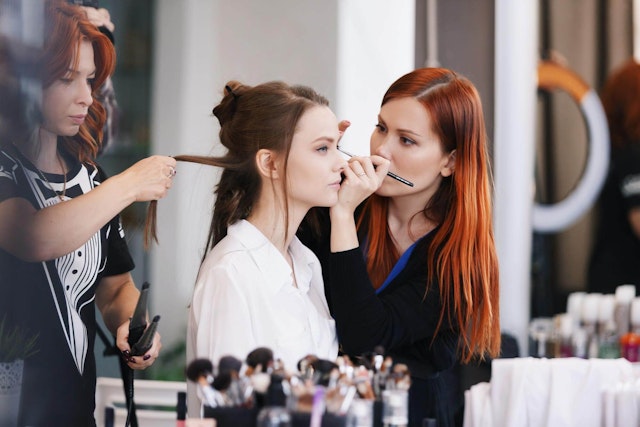
Running a beauty business—whether it’s a salon, nail bar, or mobile service—means working in close contact with clients, using specialist equipment, and handling chemicals daily. While your environment may feel calm and welcoming, the risks behind the scenes can be significant.
That’s why carrying out the right risk assessments isn’t just best practice—it’s a legal requirement.
What is a risk assessment?
A is a structured review of your workplace to identify hazards, evaluate risks, and put controls in place to protect employees, clients, and anyone affected by your business.
Under UK law, all employers and self-employed individuals must carry out a “suitable and sufficient” assessment of risks and take steps to eliminate or control them.
What risk assessments does a beauty business need?
There’s no “one-size-fits-all” document. Your risk assessments should reflect the treatments you provide, the products you use, and how you operate.
However, most beauty businesses will need the following:
General workplace risk assessment
Your core assessment covering everyday hazards such as slips, trips, , equipment use, and general hygiene.
Hazardous substances risk assessments (chemical safety)
If you use substances like hair dyes, nail products, acetone, or cleaning chemicals, you must assess and control risks within hazardous substances risk assessments.
Treatment-specific risk assessments
These should reflect the services you provide, such as waxing, nail treatments, or advanced skin procedures.
Manual handling assessment
Fire risk assessment
A legal requirement in most premises, particularly where heated tools and electrical equipment are used.
Infection control and hygiene risk assessment
Essential due to close physical contact with clients, shared equipment, and potential exposure to bodily fluids.
Lone working risk assessment (if applicable)
For mobile therapists or staff working alone.
Additional risk assessments for specific groups
Young people (including apprentices and workers under 18)
If you employ young people, you must carry out a specific risk assessment for under 18s before they start work.
- May lack experience and awareness of workplace risks
- May be less confident to challenge unsafe practices
- Are still physically developing
This means they must not be exposed to risks beyond their capacity, including:
- Hazardous chemicals or fumes
- Dangerous equipment or sharps without proper supervision
- Excessive heat or physically demanding tasks
Key control measures include:
- Providing enhanced supervision and training
- Restricting high-risk treatments until competency is demonstrated
- Ensuring tasks are appropriate for their age and experience
- Clearly explaining hazards and safe systems of work
New and expectant mothers
When notified in writing, you must complete an individual risk assessment to identify any additional risks.
In a beauty setting, this may include exposure to:
- Chemicals or strong fumes
- Prolonged standing or awkward postures
- Manual handling tasks
- Stress or fatigue
Control measures may include:
- Adjusting duties to reduce exposure to harmful substances
- Providing suitable rest facilities
- Reducing manual handling tasks
- Adjusting working hours if necessary
- Offering alternative work if risks cannot be adequately controlled
If risks cannot be eliminated, you may need to temporarily suspend the employee on paid leave.
Main safety hazards in beauty businesses
Beauty environments involve a unique combination of risks. Common hazards include:
- Chemical exposure: Products can cause dermatitis, asthma, or allergic reactions if not controlled properly
- Burns and heat injuries: From hot wax, steam treatments, and heated tools
- Sharps and cuts: Scissors, razors, and needles
- Slips, trips, and falls: Wet floors and poor housekeeping
- Manual handling and posture-related issues: Repetitive work and prolonged standing
- Electrical risks: Equipment used near water
- Infection risks: Cross-contamination and poor hygiene practices
Why managing risks matters
Legal reasons
Failure to comply can lead to fines, enforcement action, or even imprisonment in serious cases.
Financial reasons
Poor safety management can lead to:
- Compensation claims
- Increased insurance premiums
- Business disruption and lost income
- Reputational damage
Moral reasons
Your staff and clients trust you to keep them safe. Strong Health & Safety practices demonstrate professionalism, protect , and build customer confidence.
Key control measures to reduce risk
Once risks are identified, you must implement practical controls. Priority should always be given to reducing risks at source.
Typical controls in beauty businesses include:
- Safe handling and storage of chemicals
- Good ventilation to control fumes and dust exposure
- Appropriate PPE, such as gloves and eye protection
- Regular equipment maintenance and electrical testing
- Strict hygiene and infection control procedures
- Staff training and supervision
- Good housekeeping to prevent slips and trips
- Ergonomic working practices to reduce strain injuries
Keep your risk assessments up to date
Risk assessments should be reviewed regularly and whenever there are changes, such as:
- New treatments or products
- New staff (particularly young workers or expectant mothers)
- Changes to equipment or processes
- Incidents or near misses
Need help with your beauty business risk assessments?
Understanding what risk assessments your beauty business needs—and ensuring they’re legally compliant—can be challenging.
- Tailored, treatment-specific risk assessments
- COSHH assessments and chemical safety advice
- Young worker and new/expectant mother assessments
- Policies, procedures, and compliance audits
- Ongoing expert support