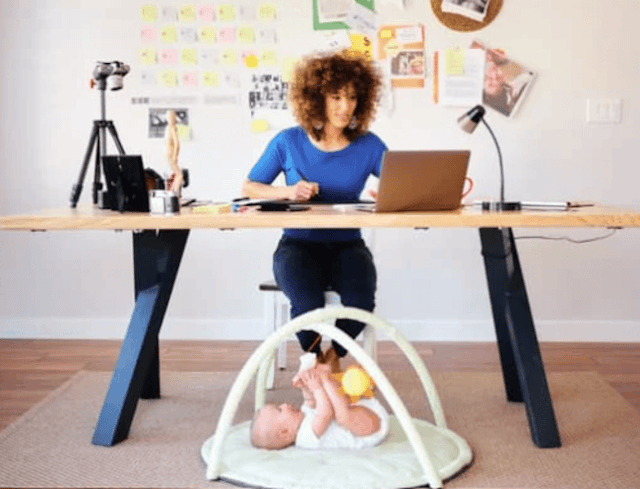
Menstruation, endometriosis, pregnancy, post-partum, menopause… Women face all kinds of medical conditions throughout their lifetime. However, research by BUPA found that 32% of women feel generally uncomfortable when talking about their health at work.
When it comes to working mothers, employers have a legal duty to protect them from occupational ill-health and harm. Both International Women’s Day (8 March) and Mother’s Day (30 March) fall this month. Employers and their health & safety teams should take advantage and celebrate working women within their workplace.
Neglecting legal H&S duties for working mothers can result in serious consequences. Like, exacerbating existing health conditions, causing work-related ill-health, and breaching statutory rights.
For more advice, contact one of our free of charge today. Now, let’s take a look at how to support working mothers from a health & safety perspective.
What are the biggest struggles working mothers face?
Working mothers constantly struggle to distinguish barriers between their workplace duties and their household. Finding a healthy balance is difficult, particularly when managing childcare responsibilities and women’s health issues. Some of the biggest struggles working mothers face include:
: Research by the Fawcett Society found that one in ten working mothers quit their jobs due to childcare pressures. Without stability in both work and home roles, working mothers face difficulties with succeeding in either realm.
: The British Occupational Hygiene Society (BOHS) found over 60% of women believe their employment has worsened their health. A lack of medical understanding and recognition of women’s health issues can exacerbate existing conditions. Some illnesses can worsen in unsafe or insufficient work environments.
: Research by the Maternal Mental Health Alliance found that working mothers disproportionately carry the mental burden of childcare. 74% of them reported that they manage the majority of parenting responsibilities within their household.
Are there new laws that apply to working mothers?
Yes, some of the most current, relevant statutory legislation that applies to working mothers include:
: This Act requires employers to take reasonable steps towards preventing sexual harassment in the workplace.
Risk assessment for pregnant and new mothers: Health & Safety Executive (HSE) states employers are legally required to manage risks to women of childbearing age, pregnant workers, and new mothers.
Personal Emergency Evacuation Plans in high-rise residential buildings: The Government proposed a legal requirement for all high-rise residential buildings to have personal emergency evacuation plans (PEEPs) for vulnerable residents who could face issues during an emergency evacuation, like pregnant women.
How to support working mothers from a H&S perspective
Whether you’re managing pregnancy-related sick leave or safe working conditions for menopausal employees… Working mothers go through a variety of health-related issues that can impact both their professional and personal capacity. Employers must aim to protect working mothers from potential health & safety issues during work and beyond. Let’s take a look at how to do this from a H&S perspective:
Conduct a new and expectant mothers risk assessment
Research by the National Institute of Health (NIH) found only 7% of mothers came back to work one month after giving birth; 41% after three months. If a new mother decides to , employers need to ease their transition back through lawful, ethical methods.
You must conduct a new and expectant mothers risk assessment. This type of applies to pregnant employees, as well as those returning from maternity leave. It'll also help identify specific risks that could impact pregnant and maternity employees – keeping them safe during daily work.
Manage occupational health issues
Working mothers often feel pulled between their home and workplace – causing all kinds of work-related health issues. Combine this with emotional exhaustion of parenthood, it leaves mothers suffering in both dimensions.
Employers must manage issues affecting working mothers – before they worsen existing health conditions. Making is a great start for better management. For example, offer desk fans for perimenopausal employees; or assign ergonomic equipment for new mothers.
Offer mental health support
Many working mothers often experience ‘mum guilt’ as they juggle work and home responsibilities. It leaves them questioning whether there is such a thing as a ‘working mum’ and whether you can do both successfully. Doubts and angst can lead to all kind of mental health issues like:
Employers should offer variations of mental health support to their working mothers. Counselling services, medical referrals, even can all prove beneficial. Remember, your duty isn’t to heal their ailments; rather it’s to support them during tough times.
Promote a healthy work-life balance
The first thing you might relate to is working hours, locations, or conditions. However, another element to think about involves employee wellbeing and personal welfare.
Remote or even can vastly improve wellbeing for working mothers – promoting a healthy work-life balance. No more stressful school drop-offs or being trapped in traffic jams. Promote a holistic, tranquil, and healthy balance for your working mothers – whether they’re in the office or at home.
Be sympathetic towards family situations
Family households run on continuous habits, routines, and schedules – leaving parents with the capacity to deal with unforeseen events. But they can’t plan for everything. Employers should be sympathetic towards unexpected family situations.
This can include all kinds of family emergencies or childhood milestones. If a working mother has requested time off, be reasonable with your decision. It’s also important to acknowledge stillbirths and miscarriages that working mothers may face. During this dreadful period, they still count as mothers as the love for a child never ends.
Many working mothers experience regular health conditions like menstruation, endometriosis, and menopause. Employers should recognise these situations and support staff through their ailments – resulting in a healthier way of living.
Get expert advice on supporting working mothers with Peninsula
Working mothers experience all kinds of health-related issues, which many choose to downplay symptoms or ailments at work. No matter what the case is, employers must protect the health, safety, and welfare of all staff – especially working mothers.
Peninsula offers expert advice on supporting working mothers. We offer – helping you establish a positive, safe, and inclusive workplace environment for women-related health issues. Book a free chat with one of our . For further information, call 0800 051 3685.
Sources
Make A Mother's Day 2025 | Mothers’ Union
Maternal Mental Health in a Pandemic | Maternal Mental Health Alliance
Protecting pregnant workers and new mothers | Health and Safety Executive