Temperatures in a working environment may seem like an irrelevant topic, but it’s an important consideration as part of . There are considerations you need to keep in mind to ensure the safety of your employees. This guide covers everything you’ll need to do to meet the legal requirements.
Get free Health & Safety advice
Discuss your current Health & Safety concerns with a qualified adviser - for free.
Your legal requirements
So, what are the essentials you need to keep in mind?
The Health and Safety at Work Act 1974 and associated regulations require you ensure the health, safety, and welfare of your employees while they are working.
Regulations don't specify specific minimum or maximum temperatures, but HSE guidance set minimum indoor temperatures of 13°C for physical work and 16°C for sedentary work.
While there aren't specific legal temperatures to work outside, there are important requirements in the Workplace (Health, Safety and Welfare) Regulations 1992.
The law states you have to provide a “reasonable” environment to ensure your staff members remain safe and comfortable.
Outdoor temperatures across much of the country will be below 10°C for around 4 months of the year.
Guidelines for working outdoors
If you have staff members working outside in the cold or hot weather, it’s important to take the appropriate measures to ensure there aren’t unnecessary hazards. That includes temperatures that are too high or low.
The weather, for work that takes place outdoors, can affect the safety of employees while completing their work. For example, very high or low temperatures could reduce their abilities when lifting or transporting heavy loads.
During heatwaves, employee could be at risk of heat stress, which can be really dangerous.
There are measured that can be taken to protect your employees in hot or cold conditions. These include:
- Providing the right protective equipment.
- Training employees about the dangers of cold and heat stress.
- Offering flexible breaks to encourage regular rests for cold or hot drinks, depending on the time of year.
You can go a step further to provide business-wide checks to establish a safe working environment before employees begin their work.
Performing risk assessments
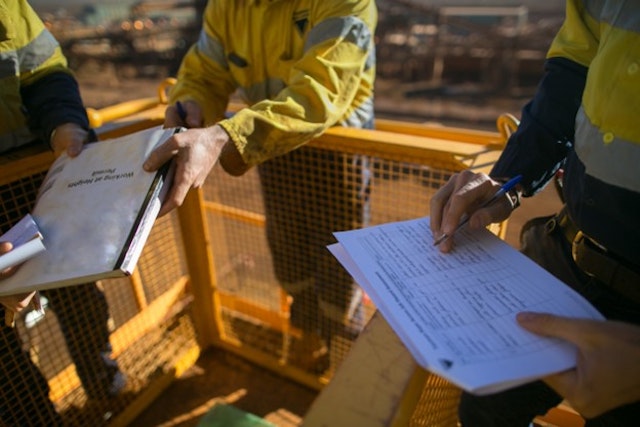
The Management of Health and Safety at Work Regulations 1999 requires employers to risk-assess activities undertaken by employees. Where the work happens outdoors, hear or cold stress should be identified as a hazard and reasonable control measures implemented.
Performing risk assessments will help you reduce potential harm or working in hot or cold conditions
Cold temperatures can, of course, also present issues. Icey conditions can cause slip hazards, or freezing temperatures potentially causing hypothermia. Keep in mind thermal comfort in your assessment.
Remember that air temperature doesn’t indicate thermal comfort. You’ll need to consider all environmental and personal factors to understand how to approach an environment that’s too hot or too cold.
As such, you can refer to the sections below about alleviating the strains staff members may feel in either situation.
Working outside in hot weather
In hot working conditions, your business can adapt various cooling processes to ensure your workforce maintains a safe body temperature. Remember, too, that working in direct sunlight for extended periods of time causes damage to the skin. Problems that occur include:
- Sunburn.
- Blistered skin.
- Skin ageing.
- Potentially cancer (after long-term overexposure).
You can help to limit and even remove such issues by adopting some of the following practices in your workplace:
- Move certain shifts to a cooler time of day, such as in the early morning or the evening.
- Provide regular breaks with refreshments such as cold water. Plus, ensure there’s ready access to water at all times.
- Provide shaded areas for employees to retreat to when required/.
- Training to your employees so they can recognise the warning signs for issues such as heatstroke.
Working outside in cold weather
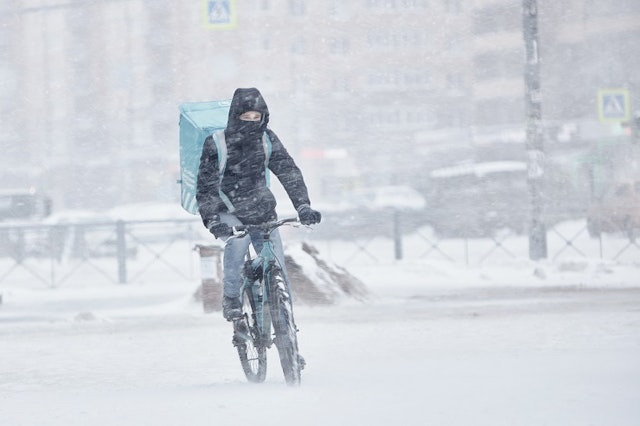
In cooler conditions, you’ll need a different set of procedures. In extreme cases of cold, there can be instances of frostbite and hypothermia—these are very serious medical emergencies.
So it’s imperative you have the correct procedures and precautions to ensure that your employees are not at risk. These can include:
- Rescheduling shifts to warmer times, such as midday, where possible.
- Providing protective equipment and clothing.
- Ensuring employees have access to warm drinks and a break area where they can warm up. this could be their work vehicle or a designated building/room.
- Provide regular breaks.
- Delay the work if the conditions are too treacherous.
- Train staff about the dangers they may face and issues to look out for.
FAQs: What are the outdoor working temperature regulation in the UK?
What is a “reasonable” temperature?
A ”reasonable” temperature isn’t legally defined by a number; it’s shaped by work activity and the environment. When work is indoors, employers may refer to the Health and Safety Executive (HSE), which advises a temperature of 16°C—and 13°C for arduous work.
What practical steps should I take in cold weather to protect my employees?
As an employer, you should provide PPE (such as insulated clothing, gloves, hates, and appropriate footwear), ensure access to warm, dry rest facilities, provide access to hot beverages and food; offer regular rest breaks, and if possible, change working schedules so work can be done in better temperatures.
What steps should I take in hot weather—especially during a heatwave?
Provide free access to cool drinking water, supply shade and rest areas, and relax formal dress codes so staff are comfortable.
Can I be penalised for not following temperature guidelines?
Failing to meet suggested temperatures won’t result in penalties, but you could be subject to enforcement action, such as improvement or prohibition notices and fines from the Health and Safety Executive.
Can an employee refuse to work if they feel the temperature is unsafe?
Firstly, an employee should raise their concerns with a manager or a Health & Safety representative. If a staff member believes there’s an immediate risk to their health, and it hasn’t been addressed by the employer, they have the right to stop working without disciplinary action.
Need our help?
We can help your business with risk assessments and advice for outdoor working in varying temperatures. Call us now for assistance: 0800 028 2420.
Ask a question on Brainbox
Get instant, expert answers to all your HR and health & safety questions