Introduction
Lithium batteries are increasingly used across various industries, powering everything from hand tools to electric vehicles and portable devices. While their efficiency and energy density make them a popular choice, there are significant safety concerns that must be addressed to protect workers and workplaces.
If you don’t look after lithium batteries properly at work, things can go badly wrong. Mishandling or storing them in the wrong place can significantly increase the chances of a fire or explosion, which could badly injure someone, even be fatal, and cause a lot of damage. If a battery gets damaged and leaks, those chemicals can be nasty—think burns, breathing problems, and ongoing health issues. And if your batteries are not disposed of correctly, you could end up polluting the environment leading to legal enforcement action.
Main Safety Hazards
Fire and Explosion Risks: Lithium batteries can overheat, catch fire, or explode if damaged, overcharged, or exposed to extreme temperatures. Incidents often result from improper handling, physical impact, or electrical faults.
Chemical Exposure: In the event of battery rupture, hazardous chemicals such as lithium, electrolytes, and other toxic substances may be released. Direct contact or inhalation can cause burns, respiratory issues, or other health problems.
Electrical Hazards: High-voltage lithium batteries pose a risk of electric shock, especially during maintenance or when incorrectly installed.
Workplace Precautions
- Ensure proper training for workers handling lithium batteries, covering safe charging, storage, and disposal practices.
- Provide suitable fire suppression systems and personal protective equipment in areas where batteries are used or stored.
- Store batteries away from flammable materials and maintain a cool, dry environment to reduce overheating risk.
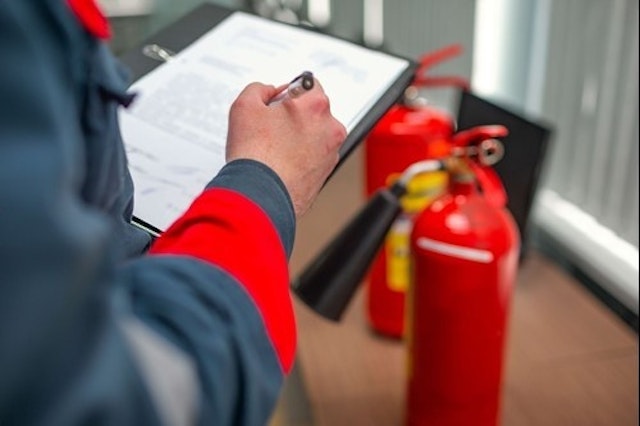
- Conduct regular inspections for signs of damage or swelling, and dispose of faulty batteries according to local regulations.
Reporting and Emergency Response
It is crucial for staff to report any incidents involving lithium batteries immediately. Establish clear emergency procedures, including evacuation protocols and first aid responses for chemical or electrical exposures.
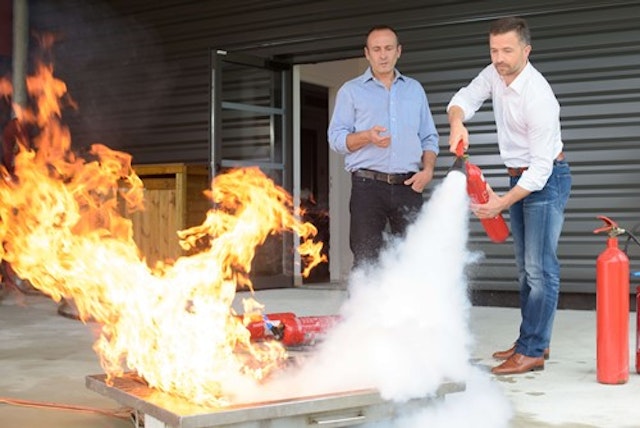
Organisations would determine the need for specialised firefighting equipment for lithium batteries based on their fire risk assessment. The fire risk assessment would consider factors such as the quantity and type of batteries stored, the likelihood of overheating or fire, and the proximity to critical infrastructure or flammable materials.
If batteries are used or stored in large volumes, or in areas where rapid response is essential to prevent escalation, dedicated fire suppression systems—such as Lith-Ex fire extinguishers or specialist fire blankets should be made available. Regulatory requirements, insurance policies, and previous incidents may also prompt the provision of appropriate firefighting equipment tailored to lithium battery hazards.
By understanding the risks and implementing robust safety measures, organisations can minimise hazards associated with the occupational use of lithium batteries, ensuring a safer workplace for all.
Recognised Control Measures
- Implement strict access controls to battery storage and maintenance areas, limiting entry to authorised personnel only.
- Utilise insulated tools and ensure all electrical work is carried out by qualified staff to reduce the risk of electric shock.
- Maintain up-to-date safety data sheets (SDS) for all battery types and chemicals present, making them readily accessible to employees.
- Install smoke detectors and temperature monitoring systems in battery storage rooms to provide early warning of potential hazards.
- Provide ongoing health and safety training tailored to lithium battery risks, including regular refresher courses and emergency drills.
Summary
The management of lithium batteries demands unwavering vigilance and a proactive approach to risk control. Every inspection for signs of damage or swelling, and the careful disposal of faulty batteries, is not just routine—it is vital for the safety of the entire workplace. Immediate reporting of any incident can mean the difference between containment and catastrophe, making clear emergency evacuation plans, and first aid responses indispensable. To truly safeguard lives and property, organisations must enforce strict access controls, empower qualified staff with insulated tools, keep safety data sheets current and accessible, and install smoke detectors and temperature monitors. Above all, ongoing and specialised health and safety training ensures that everyone is prepared and alert, transforming risk awareness from a formal requirement into a culture of collective responsibility. The consequences of neglect are severe—controlling risk is not optional, but an essential commitment to the well-being of all.