Introduction
Mesothelioma remains one of the most serious occupational health risks affecting UK workers, particularly in the trades. Despite asbestos being banned in 1999, it is still present in many buildings today, meaning routine maintenance, refurbishment, and installation work continues to pose a significant risk.
This aggressive cancer, most commonly affecting the lining of the lungs, is almost always caused by asbestos exposure. One of the greatest dangers is the long latency period, with symptoms often taking between 20 and 50 years to appear. This means that exposure today could result in life-threatening illness decades later, making prevention critical.
Case study: enforcement in practice
A small construction company was fined after workers were exposed to asbestos fibres during refurbishment works. The company had failed to arrange a suitable asbestos survey before work began and did not identify asbestos-containing materials within the building.
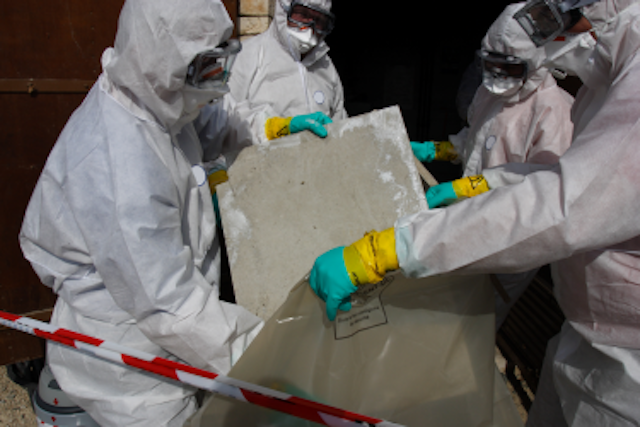
As a result, materials were disturbed without appropriate controls, exposing workers to significant health risks. The HSE found that the company had breached the Control of Asbestos Regulations 2012 by failing to plan the work, assess the risks, and prevent exposure. The resulting fine and associated reputational damage highlight the serious consequences of poor asbestos management.
Where asbestos is still found
Asbestos-containing materials remain widespread across both commercial and domestic settings. Any building constructed or refurbished before 2000 may contain asbestos, and this risk is particularly high in older commercial premises, industrial units, schools, care settings, listed buildings, and domestic properties built prior to the ban.
Within these environments, asbestos can be found in a range of materials including ceiling tiles and voids, pipe lagging, thermal insulation, boiler casings, floor tiles and adhesives, roofing products, soffits, wall panels, partition boards, and textured coatings. While these materials may not pose an immediate risk if left undisturbed, any damage or deterioration, or work that interferes with them, can release hazardous fibres into the air.
Work activities that carry exposure risk
Many routine work activities carried out by tradespeople can inadvertently disturb asbestos. Refurbishment and structural alterations present some of the highest risks, particularly where hidden materials are exposed. However, lower-level tasks such as drilling into walls, installing cables or pipework, accessing ceiling voids, replacing fixtures, or removing floor coverings can also result in exposure.
General maintenance, repair, and servicing work, as well as waste removal or disposal of construction materials, can also create risk if asbestos-containing materials are not identified in advance. Trades such as electricians, plumbers, joiners, heating engineers, and maintenance workers are particularly vulnerable due to the nature of their work and the frequency with which they interact with the fabric of buildings.
Legal duties
Under the Control of Asbestos Regulations 2012, employers and self-employed tradespeople must prevent exposure to asbestos so far as is reasonably practicable. Those in control of non-domestic premises, including landlords, managing agents, and building owners, have a legal duty to identify the presence of asbestos, maintain an up-to-date asbestos register, implement a management plan, and share this information with anyone who may disturb asbestos.
Contractors and tradespeople also have responsibilities. They must ensure that they obtain and review asbestos information before starting work and that suitable risk assessments and safe systems of work are in place.
What to request before starting work
Before any work begins, contractors should request the asbestos survey or register for the premises, which should clearly identify the location and condition of any asbestos-containing materials. They should also review the asbestos management plan and any relevant risk assessments or permit-to-work arrangements.
If this information is not available, incomplete, or unclear, work should not proceed until the risk has been properly assessed. Proceeding without this information significantly increases the likelihood of accidental exposure.
In domestic settings, where a formal asbestos register may not exist, contractors must not assume that the property is asbestos-free. If the property was built or refurbished before 2000 and the work is intrusive, they should question the client, treat any suspect materials with caution, and arrange for a suitable survey or assessment before proceeding.
Safe systems of work
Effective asbestos management depends on careful planning and competent execution. No work that may disturb the structure or fabric of a building should begin without first confirming whether asbestos is present.
Where asbestos is identified, only suitably trained and competent individuals should undertake the work. Higher-risk tasks must be carried out by licensed contractors, while even lower-risk activities require appropriate controls, risk assessments, and method statements. Employers must also ensure workers receive asbestos awareness training where exposure is possible, enabling them to recognise risks and respond appropriately.
Summary
Exposure to asbestos fibres can result in serious diseases such as mesothelioma, asbestosis, and lung cancer. These conditions are preventable, but only where risks are properly identified and controlled.
It’s so important that tradespeople never assume a building is asbestos-free, always check before starting work, and ensure the right information, training, and controls are in place.