Introduction
Many businesses carry out small construction projects as part of their normal operations—such as refurbishing workspaces, installing equipment, or undertaking maintenance and repair works.
Because these activities are often routine, they can be overlooked from a health and safety perspective. However, under the Construction (Design and Management) Regulations 2015 (CDM 2015), these tasks are classed as construction work and must be properly planned and managed.
Importantly, CDM applies to all construction projects, regardless of size or duration, meaning even low-value or short-term works must be carried out safely and in compliance with the law.
Legal, Moral and Financial Reasons to Comply
Legal
CDM 2015 places clear duties on all parties involved in construction work, including clients and contractors, to plan, manage and monitor health and safety.
Failure to comply can result in enforcement action from the Health and Safety Executive (HSE), including fines, project shutdowns, and prosecution in serious cases.
Moral
Even small projects can lead to serious incidents if not managed properly. Workers may be exposed to risks such as working at height, electrical hazards, or hazardous materials.
Employers have a duty to protect the health and safety of anyone affected by their work, including employees, contractors, and members of the public.
Financial
Poorly controlled projects can lead to delays, increased costs, insurance claims, and reputational damage.
Taking a structured approach to health and safety helps ensure projects run efficiently and reduces the likelihood of costly incidents.
What Duty Holders Need to Do
The Client
The client (the organisation commissioning the work) has overall responsibility for ensuring suitable arrangements are in place. This includes:
- Making arrangements for managing the project, including allocating sufficient time and resources
- Appointing competent contractors and, where required, Principal Designers and Principal Contractors
- Providing pre-construction information (e.g. known hazards such as asbestos or underground services)
- Ensuring a construction phase plan is in place before work begins
Contractors
Contractors must:
- Plan, manage and monitor their work
- Ensure workers are competent and properly supervised
- Identify risks and implement safe systems of work
- Maintain safe working conditions and suitable welfare facilities
For smaller projects involving a single contractor, they will usually take responsibility for managing the construction phase.
Controlling Contractors
Effective contractor management is essential to ensure work is carried out safely. Businesses should:
- Carry out pre-qualification checks to ensure contractors are competent and adequately insured
- Clearly define the scope of work and expectations before work begins
- Provide site-specific information on hazards and restrictions
- Deliver site inductions and safety briefings where appropriate
- Use permit-to-work systems for higher-risk activities (e.g. hot works or electrical work)
- Monitor performance through supervision and periodic checks
Good contractor control helps prevent unsafe practices and ensures compliance with legal duties.
Purchasing Materials and Equipment Safely
Health and safety risks can often be reduced at the planning and procurement stage. When selecting materials and equipment, businesses should:
- Ensure materials are safe and suitable for use, considering factors such as fire risk or toxicity
- Assess hazardous substances and use safer alternatives where possible
- Confirm that equipment is fit for purpose, compliant with standards, and properly maintained
- Obtain and review manufacturer instructions and safety data sheets
- Consider pre-assembled or lower-risk solutions to reduce on-site hazards
Making informed purchasing decisions helps eliminate or reduce risks before work begins.
What Documents Are Required for Small Works?
Even small projects require a proportionate level of documentation to demonstrate compliance. This typically includes:
- Construction Phase Plan (CPP) – required for all construction projects and prepared before work starts
- Risk Assessments and Method Statements (RAMS) – outlining task-specific risks and controls
- Pre-Construction Information (PCI) – detailing known hazards such as asbestos or services
- Competence records – for contractors and workers
- Permits to Work – for higher-risk tasks where appropriate
- Induction records or briefings
- Welfare arrangements confirmation
Documents should be proportionate to the scale of the project but must always be relevant, specific, and actively used.
Key Health and Safety Hazards and Control Measures
Working at Height: Falls remain the leading cause of workplace fatalities; even low-level falls can cause serious injury or death. To control work at height risks, it should first be considered whether the task can be avoided. Where this is not possible, suitable access equipment must be used, employees must be trained and supervised, and equipment should be regularly inspected and maintained.
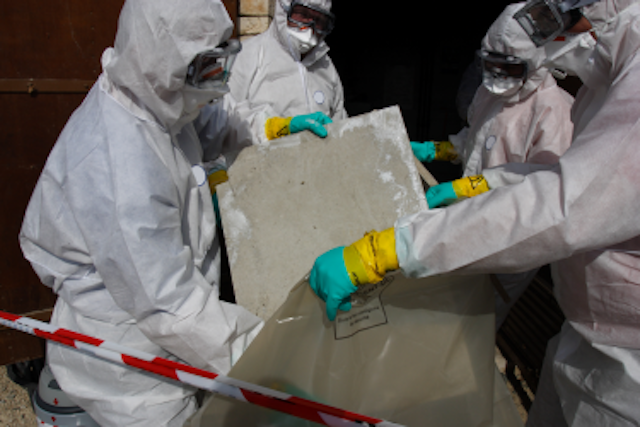
Asbestos: Asbestos fibres can be released when materials are disturbed and, if inhaled, can cause serious diseases including cancer many years later. To control asbestos risks, surveys should be provided before work begins, materials must not be disturbed without confirmation, risks should be clearly communicated, and licensed contractors used where required.
Electrical Hazards: Electricity can cause shock, burns, fire or death, even at relatively low voltages. To control electrical risks, systems should be isolated and locked off before work begins, isolation should be verified, permit-to-work systems used where necessary, and only competent, authorised personnel should undertake electrical work.
Public and Workforce Interaction: Uncontrolled access to work areas can expose others to hazards such as moving equipment, falling objects, or hazardous conditions. To control this risk, work areas should be segregated using barriers, access restricted, clear signage provided, and communication maintained with those affected.
Dust, Noise and Fumes: Exposure to dust, fumes, and excessive noise can lead to long-term health effects such as respiratory disease and hearing loss. To control these risks, dust suppression and extraction should be used, exposure limited, appropriate PPE provided, and work activities timed to minimise impact.
Slips, Trips and General Site Risks: Slips and trips are among the most common workplace injuries, often caused by poor housekeeping or uneven surfaces. To control these risks, good housekeeping should be maintained, walkways kept clear, materials and waste managed effectively, and regular inspections carried out.
The Role of the Construction Phase Plan
The construction phase plan (CPP) is a key requirement and must be in place before construction work begins.
It should set out how health and safety will be managed, including:
- Site rules and arrangements
- Key risks and control measures
- Emergency procedures
- Communication and coordination arrangements
For small projects, the CPP can be simple—but it must be specific to the work being carried out and reflect the actual risks.
Summary
Small construction projects may appear straightforward, but they carry the same legal responsibilities as larger works. CDM 2015 applies to all construction activity, including maintenance and refurbishment tasks.
By adopting a structured and proportionate approach—including effective contractor control, safe procurement practices, appropriate documentation, and robust risk management—businesses can:
- Protect workers and others affected by the work
- Reduce the likelihood of incidents and disruption
- Demonstrate compliance with legal requirements
Ultimately, managing small works effectively is about planning ahead, selecting the right people and resources, and ensuring risks are properly controlled from start to finish.