It’s essential for your business to in and around your premises. This can help to reduce the possibility of serious injury to an employee.
But you should also look to carry out regular inspections around your business.
Failure to do so can lead to preventable accidents, which can result in costly civil claims, large fines, and damage to your business’ reputation.
Read on for insights into the procedures and laws you need to follow.
Get free Health & Safety advice
Discuss your current Health & Safety concerns with a qualified adviser - for free.
What is a Health & Safety inspection?
It’s a general examination of the workplace situation at a specific point in time. It generally means a scheduled inspection of a workplace or part of a workplace. While the principal objective is to identify hazards and assess the risks, this form of monitoring may also examine:
- Maintenance standards
- Working practices
- Environmental conditions
- Compliance with written safety procedures
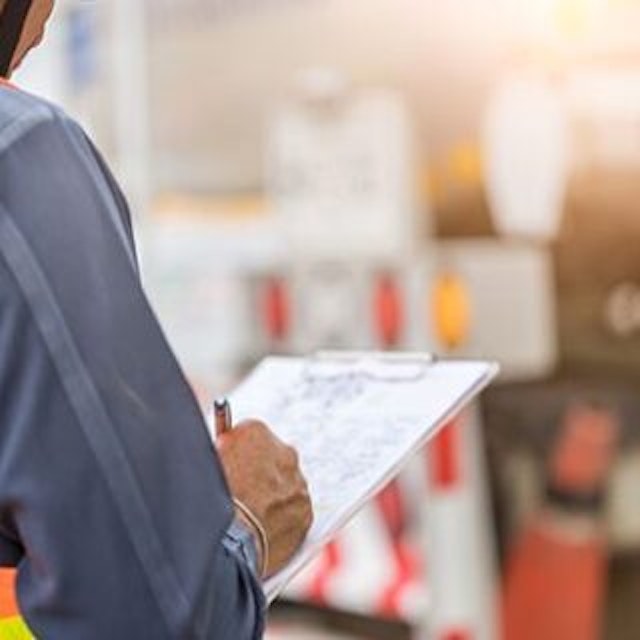
When carrying out an inspection, having a checklist available helps determine whether standard workplace Health & Safety practices are effective in operation.
There are different types of inspections. These are:
- Safety tours: General inspections around your business
- Sampling: Systematic checks of dangerous activities
- Surveys: Inspections of specific Health & Safety issues, such as noise or
- Incident inspections: In the event of a serious at work that has led to a death, injury, or a near miss
- Statutory Inspections: Expected to be carried out at specific intervals (such as every 6/12 months) depending on the equipment and the relevant legislation
How often should Health & Safety inspections be carried out?
It’s good business practice to carry one out once every three months. Generally, the greater the risk, the more frequent the inspections should be. The more frequently you carry out a check, the higher your chance of identifying potential problems in your working environment. Your business should look to:
- Plan a programme of inspections to maintain high standards
- Agree on the number of people that take part in an inspection
- Co-ordinate inspections to avoid duplicates
- Refer to as and when required
Regular Health & Safety inspections are important for employers as even small changes in the working environment can create new hazards. Records of inspections should be kept.
The inspector should complete an inspection checklist. This helps to prompt the inspector when conducting their inspections, letting them know what is important to record.
Health & Safety inspection checklist template
It’s important to have a form available in your records. A Health & Safety inspection checklist for workplaces in the UK will consist of various parts. You can also follow the below checklist to ensure you meet the essential points.
You should look to include the name of the inspector, date, and a symbol for whether a check was satisfactory or not; as well as sections to detail the location and condition of each area open to checks. For each area, identify what would need to be checked, which could include:
- Safety notice boards and signs
- Stairways and aisles
- Equipment (such as racking, electronic devices, workplace furnishings and flooring)
- Emergency equipment (fire extinguishers and first aid equipment)
- The building/working environment
- Hazardous substances
- Welfare facilities (drinking water, toilets, changing rooms etc.)
- Security measures
Remember, this occupational Health & Safety workplace inspection list is an example, you should adapt it to meet your business requirements. This is dependent on the industry you’re in, the number of employees you have, and the steps you’ll need to take to ensure safe working conditions.
Need our help?
For any Health & Safety requirements, get in touch with us and we’ll ensure you comply with current laws: 0800 028 2420.