As of 2026, the risk of poultry exposure is currently Medium where biosecurity is poor and Low where stringent biosecurity is maintained. In wild birds, the risk level remains High. Practicing good biosecurity helps protect the health and welfare of your birds – as well as your business.
Remember, all bird keepers have a legal responsibility to report bird flu if it’s suspected. Failure to do so is a criminal offence. For more information on avian diseases, call one of our expert .
In this guide, we’ll look at what bird flu is, what the signs are, and how to prevent and even stop this infectious disease from spreading throughout your poultry.
What is bird flu?
Bird flu (or avian flu) is an infectious viral illness that predominantly spreads amongst birds. Its scientific name is highly pathogenic avian influenza (HPAI). There are two different strains of bird flu:
- HPAI: Highly pathogenic avian influenza.
- LPAI: Low pathogenic avian influenza.
What are the signs of bird flu?
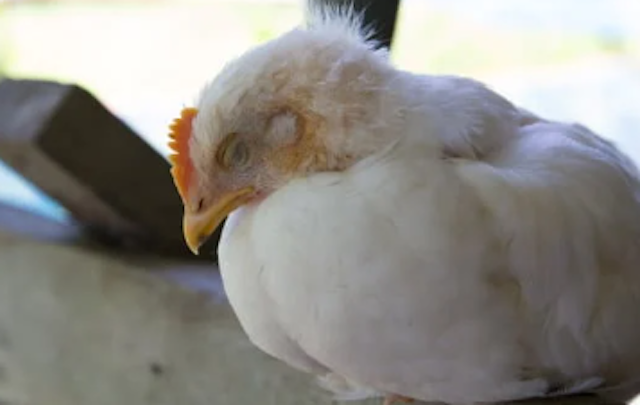
Birds affected by the most serious strain of HPAI can show any one of the following symptoms:
- Sudden death.
- Swollen or shaking body parts.
- Closed and runny eyes.
- Lethargy, unresponsiveness, and depression.
- Lack of coordination.
- Loss of appetite.
- Sudden increase/decrease in water consumption.
- Drooping wings.
- Breathing difficulties.
- Fever or noticeable increase in body temperature.
- Discoloured or loose watery droppings.
- Significant decrease or cessation of egg production.
Can any species of birds get bird flu?
Some species of birds, like ducks, geese, and swans, can carry around the avian influenza virus without showing any signs of illness. They can even spread the virus to others without being ill themselves.
Any birds with LPAI may not show symptoms, either. The virus can only be confirmed through scientific testing.
Can humans get bird flu?
Bird flu primarily affects birds; however, it can affect humans and other animals, too. The UK Health Security Agency advises that the risk to humans is very low. The Food Standards Agency has also stated it’s safe to eat properly cooked poultry and relevant products, like eggs.
What happens if you suspect bird flu?
If you’re concerned about the health of your birds, you should contact the relevant authorities. Seek advice from your private vet on managing your animal’s welfare.
If you suspect bird flu, you or your vet must report it immediately to the Animal and Plant Health Agency (APHA). This applies for to both mild and serious symptoms.
Remember, bird flu is a notifiable disease in poultry and other captive birds. If you suspect it and don’t report it, you’re breaking the law. You should call:
• 03000 200 301 (if you’re in England).
• 0300 303 8268 (if you’re in Wales).
• Your local Field Services Office (if you’re in Scotland).
What happens when you report bird flu?
Once the Animal and Plant Health Agency is notified, they’ll conduct investigations on your premises. They could collect samples and even close areas down, to rule out the disease. If bird flu or another notifiable disease is detected, they’ll set up a temporary control zone. This might seem like a hindrance but it’s to prevent the disease from spreading. If bird flu is found, the APHA may decide to:
- Cull all susceptible animals.
- Carry out cleansing and disinfecting of your premises.
- Present strict rules on restocking.
- Limit certain activities that could spread diseases.
You could be entitled to compensation if any healthy animals are culled in the process. However, any infected animals culled within the control zone are not compensated for.
Can you deal with dead birds yourself?
Ideally, you shouldn’t deal with the disposal of dead birds; they should be reported to the proper authorities. Not only does this help ensure proper measures are taken, it also helps them understand how certain diseases spread. They will ask where you found the dead bird, what type of bird it is, and if there are others.
Do not touch any dead wild birds. It’s advisable to contact the proper authorities who will deal with them. In case of bird flu or other causes of death, these may need to be collected and tested.
How to prevent bird flu and stop it spreading within your business
All bird keepers should consider biosecurity and hygiene standards when it comes to their poultry. With the right practices and prevention, you’ll be able to protect your flock from serious diseases – like bird flu.
Bird flu (also known as avian flu or HPAI) is an infectious viral illness that predominantly spreads amongst birds. With recent strains found in Great Britain, all bird keepers must take the right measures to stop the virus from affecting their livestock.
Remember, if you suspect bird flu, you must report it. Failure to do so is a criminal offence. For more information on avian diseases, call one of our expert Health and Safety Consultants for free.
Now, let’s look at how to prevent bird flu and stop it spreading within your premises:
Register your birds
The first step you need to take is registering your birds., It is a legal requirement in Great Britain for ALL bird keepers to register their poultry or captive birds, regardless of the flock size (even if you only keep one bird). The only exception is for certain indoor pet birds (such as budgies or parrots) that have absolutely no access to the outside air.
Restrict access to captive and wild birds
Keep your poultry separate from gatherings of anseriformes (ducks, geese, and swans). Unfortunately, these species don’t usually show bird flu symptoms, even if they are infected. This means that they can quickly pass on symptoms to other birds, like chicken or turkeys.
Discourage contact from neighbouring and wild birds, too. They can directly (and indirectly) contaminate food/water supplies. Keep supplies in enclosed spaces and regularly change them. Keep an eye out for unidentifiable feathers, faeces, and carcases.
Discourage contact from neighbouring and wild birds, too. They can directly (and indirectly) contaminate food/water supplies. Keep supplies in enclosed spaces and regularly change them. Keep an eye out for unidentifiable feathers, faeces, and carcases.
Maintain your bird houses and sheds
Keeping your bird houses and sheds in good condition will help prevent contact and contamination from wild birds. Make sure your poultry houses are free from holes, leaks, and blockages. Remove moss from roofs, as wild birds often use them for nesting or roosting.
If your poultry aren’t housed, keep them in fenced or netted outdoor spaces. Use bird deterrents, like scarecrows, spike strips, and streamers, to keep wild birds away.
Control rodents and pests
Mice and rats are known to carry diseases on their fur or feet. Using DEFRA-approved rodenticide will help control the spread of diseases. The same applies to pests. You need to make sure any rodenticides don’t cause harm to your poultry.
Other wild animals, like foxes, dogs, and cats, can also carry diseases on their fur and feet. Keep them away from food supplies, housing, and rearing spaces.
Keep a clean environment
Try to always keep a clean rearing environment for your birds. This means cleaning and disinfecting surfaces, equipment, and vehicles. You must only use DEFRA-approved disinfectants.
You must wear clean footwear, clothing, and overalls when entering individual bird housing. This includes having dedicated shoes and foot dips which shouldn’t be used outside of poultry houses.
Protect the welfare of your birds
As a bird keeper, you are solely responsible for the welfare of your poultry. This means ensuring they’re comfortable and calm whilst inside their living quarters. Too much contact with random people can cause them stress and anxiety – and even increase the risk of diseases spreading. Keep a record of the date, time, and purpose of anyone visiting your poultry.
Manage your bird numbers
Before buying new birds, check their health records before bringing them onto your property. Keep them away from your original flock and speak to your vet about starting a monitoring programme.
Use separate housing and equipment to manage new birds. And if possible, have someone else handle them, or handle them last following proper procedures.
Keep records of vaccinations, injuries, and deaths
It’s important to keep all poultry documentation up to date. Keep records of:
- Any birds that die.
- Any movements of birds and eggs (on and off the premises).
- Your birds’ food and water consumption.
- How many eggs your birds produce.
Poultry and most captive birds cannot be vaccinated against bird flu. In fact, vaccination isn’t a routine measure to control the disease. Zoo animals can be vaccinated, but this must be approved by the APHA.
Display biosecurity checklists and posters
If your premises are located within an Avian Influenza Prevention Zone (AIPZ), you’ll need to complete a self-assessment checklist. This will help ensure you’re meeting the proper standards for protecting your flock from bird flu.
Representatives from the APHA or local authorities may inquire to check if you’re in an AIPZ. For example, they could conduct an inspection of your premises. From here, it’s best to display posters stating the risks of bird flu in or around your area.
Get expert advice on preventing bird flu with Peninsula
Bird flu is a seriously, infectious disease that can lead to the culling of entire poultry farms. If you suspect bird flu within your premises, you’re legally obligated to report it to the right authorities.